Choosing a stairlift is an important decision that directly affects mobility, safety, and comfort in the home.
However, many people make mistakes when buying or installing these types of systems, whether due to a lack of information or by being swayed solely by the price.
In this article, we analyze the most common mistakes when choosing a stairlift. Take a look!
1. Not properly analyzing the type of staircase
The most common mistake when buying a stairlift is not taking into account the shape and characteristics of the staircase where it will be installed.
Each model is designed for a specific type of track, so a wrong choice can lead to installation problems, extra costs, or even malfunctions.
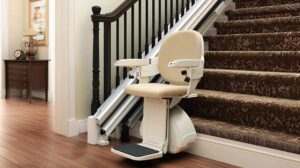
For example, straight stairlifts are the ideal option when the staircase is linear and without curves, as the rail is easily installed and movement is fast and smooth. On the other hand, if the staircase has turns or intermediate landings, a curved stairlift, custom-made to fit the layout perfectly, is recommended.
Another specific case is outdoor straight stairlifts, designed with weather-resistant materials, ideal for outdoor access, patios, or gardens. Many people make the mistake of installing indoor models outside the home, which can lead to premature breakdowns due to humidity or corrosion.
Tip: before choosing, always request a free technical visit. A professional will measure the staircase, assess any obstacles, and recommend the most suitable model based on the home’s structure.
2. Basing the decision solely on price
Another frequent mistake is choosing the cheapest stairlift without assessing the quality, warranty, or after-sales service. Although price is an important factor, it should not be the only criterion.
Stairlifts are mobility devices that must offer safety, durability, and comfort. Opting for an inexpensive installation without technical support can end up being costly: electrical failures, low-quality parts, or a lack of spare parts are common problems when a trusted provider is not chosen.
Additionally, it is worth considering maintenance. Some models require periodic inspections or have costs associated with technical service. In contrast, equipment from recognized brands usually includes extended warranties and local support, offering greater peace of mind in the long run.
Investing a little more at the beginning can make all the difference in safety and durability.
3. Ignoring the user’s needs
The third common mistake when choosing a stairlift is not taking into account the actual needs of the end user.
Not everyone requires the same level of assistance or the same ergonomic features, so a poor choice can reduce comfort or even make daily use difficult.
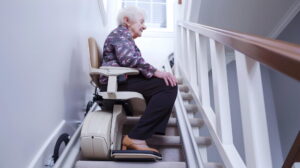
For example, if the person has severe reduced mobility issues, it is advisable to opt for models with an automatic swivel seat, reinforced safety belt, and intuitive controls.
In homes where the user weighs more than average, there are chairs with higher load capacity. And if the staircase is narrow, a model with a folding seat and footrest can be installed so as not to obstruct the way.
Furthermore, you must consider the frequency of use. If the chair is to be used several times a day or by multiple family members, it is worth investing in a robust structure and a more powerful motor. Conversely, if it will only be used occasionally, a simpler but equally safe version may suffice.
Choosing a stairlift correctly is an investment in well-being, safety, and autonomy. Before deciding, it is advisable to get informed, compare, and seek advice from professionals who evaluate the type of staircase and the user’s needs. A well-planned installation not only prevents breakdowns or discomfort but also ensures safe and long-lasting use over time. Whether it is a curved stairlift, straight, or outdoor straight model, the important thing is to find the model that best suits your home and lifestyle, to enjoy comfortable mobility, without barriers, and with total peace of mind.