When installing a chair or platform stairlift, one of the most common questions is what maintenance it requires and whether it is mandatory to contract it. In this article, we explain how stairlift maintenance works, which aspects should be considered, and what basic care helps to extend its service life.
Is stairlift maintenance mandatory?
No. In Spain, there is no specific regulation that mandates contracting periodic maintenance for chair or platform stairlifts installed in private homes or residential communities.
Unlike elevators, stairlifts are not subject to mandatory inspections or maintenance contracts regulated by law. This means that the user is not obliged to pay annual fees or undergo periodic reviews imposed by regulations.
The correct operation of the stairlift depends primarily on the quality of the equipment, proper installation, and its daily use.
Why is it recommended to perform maintenance even if it is not mandatory?
Even if it is not mandatory, preventive maintenance is a recommended practice. A stairlift is a mechanical and electrical system that is used frequently and can suffer wear and tear over time.
Basic maintenance helps to:
- Prevent incidents.
- Avoid unexpected stops.
- Maintain smooth and silent movement.
- Extend the service life of the equipment.
Especially when the stairlift is essential for the user’s daily mobility, a periodic review provides safety and peace of mind.
Who should perform technical maintenance?
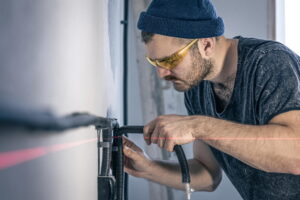
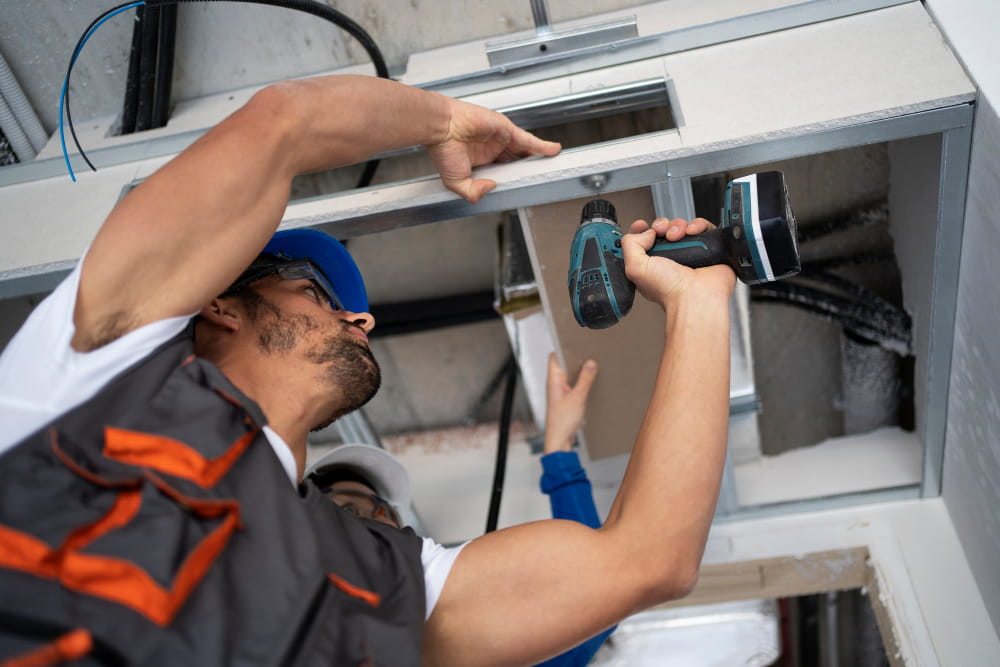
Any mechanical or electrical review must be performed by qualified professionals, always following the equipment manufacturer’s instructions.
Tampering with a stairlift without the proper knowledge can compromise its operation and user safety. In the event of any anomaly, it is highly recommended to contact a specialized technical service.
Basic maintenance that the user can perform
In addition to technical maintenance, there are simple care steps that the user or a family member can perform to keep the stairlift in good condition.
Regular cleaning
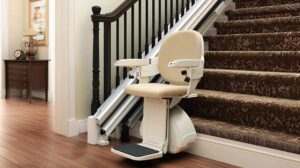
It is advisable to clean the stairlift at least once a week. The rail, seat, footrests, access ramps, and controls can be cleaned with a slightly damp cloth, thus avoiding the accumulation of dust and dirt.
Rail lubrication
After cleaning, occasional lubrication of the rail every two or three months helps reduce wear and promotes smoother movement.
Keep the equipment connected
In models that run on batteries, it is important that the stairlift remains connected to the power supply at all times. Electricity consumption is low and allows the batteries to remain in good condition and ready for use.
Importance of proper stairlift use
Proper use of the equipment is key to avoiding breakdowns. Forcing the system, ignoring acoustic warnings, or using it inappropriately can cause safety lockouts or malfunctions.
A well-used and correctly cared-for stairlift offers greater reliability and reduces the need for technical interventions.
Most common incidents
Serious breakdowns in stairlifts are not frequent. In many cases, the most common problems are due to activated safety systems rather than actual mechanical failures. Some common situations include:
- The stairlift does not move.
- A warning beep is heard.
- The remote control does not respond.
In many cases, these incidents can be resolved by following basic instructions or with remote technical assistance.
Recommendations in case of failure
If the stairlift stops working, it is recommended to:
- Have a mobile phone nearby.
- Ask a family member or companion for help.
- Do not tamper with the equipment without technical knowledge.
- Request a review by a qualified professional.